
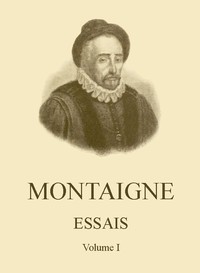
Essais de Montaigne (self-édition) - Volume I by Michel de Montaigne
Okay, let's clear this up first: this isn't a novel. There's no plot in the usual sense. Think of it as the world's first blog, written 400 years ago. After a political career, Michel de Montaigne retired to his library tower to write about, well, anything that popped into his head. The book is a collection of these short pieces—his 'essays'—and they are exactly that: attempts. He's trying out ideas on paper.
The Story
The 'story' is the journey of Montaigne's mind. One essay might be about the power of habit, the next about cannibals in the New World (which he uses to critique European society), and the one after that about his kidney stones. He uses stories from ancient history, observations from his own life, and his personal quirks as evidence. He contradicts himself, changes his mind, and admits when he doesn't know something. The central thread is his project to describe himself, in all his imperfect glory, because he believes studying a single, honest man tells you something about humanity itself.
Why You Should Read It
You should read it because it makes you feel less alone. Montaigne is endlessly relatable. He worries about wasting time, gets annoyed by bad house guests, and ponders why we're afraid of death. His big idea is simple but radical: know yourself. Not the perfect, idealized version, but the real, flawed, changing person you are. Reading him is like getting permission to be human. He's not preaching from a pedestal; he's in the mud with you, pointing out interesting rocks and weird bugs. His warmth and curiosity are contagious. You'll start looking at your own habits and thoughts with the same gentle, questioning eye.
Final Verdict
This book is for the curious. It's for anyone who enjoys a good conversation, loves big questions, and appreciates a writer who doesn't take himself too seriously. It's perfect for dippers and skimmers—you can read an essay over coffee. Don't expect neat answers; expect a fascinating companion. If you like authors like Sarah Bakewell (who wrote a great book about him) or the personal, exploratory style of modern essayists, you'll find your 16th-century soulmate here. Just be prepared to see a bit of yourself in his pages.
This title is part of the public domain archive. Thank you for supporting open literature.
Linda Wilson
8 months agoGreat reference material for my coursework.


Mary Wilson
6 months agoHelped me clear up some confusion on the topic.