1

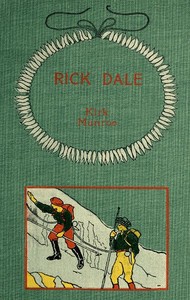
Rick Dale, A Story of the Northwest Coast — Text and Context
(0 User reviews)
126
Project Gutenberg
2011
Not confirmed
Poor -- Juvenile fiction; Conduct of life -- Juvenile fiction; Indians of North America -- Juvenile fiction; Voyages and travels -- Juvenile fiction; Sailors -- Juvenile fiction; Youth -- Conduct of life -- Juvenile fiction; Outdoor life -- Juvenile fiction; Smugglers -- Juvenile fiction; Loggers -- Juvenile fiction; Mountaineering -- Juvenile fiction
Readers of public-domain and historical texts
Project Gutenberg digital edition
en
Edition facts
Words
84,181
Reading time
367 min
Text sections
8
Before opening Rick Dale, A Story of the Northwest Coast — Text and Context, the edition data offers a quick orientation: 84,181 words, 6 hr 7 min estimated reading time, and 8 detected text sections.
The text analysis averages about 21.3 words per sentence, while the detected sections provide another way to judge how the source is divided.
Project Gutenberg metadata also associates the work with “Poor -- Juvenile fiction,” connecting these edition facts with the source record’s subject description.
Source:
Project Gutenberg record #35652
Kirk Munroe's 1891 adventure follows Alaric Dale Todd, a sickly rich boy who runs away to sea, adopts the name Rick Dale, and encounters smugglers, Indians, and loggers on the Pacific Northwest coast. The opening chapters establish his dissatisfaction with his name and his transformation through outdoor challenges.
Read the complete public-domain text at its original source.
Read on Project GutenbergFrom its first sentence, Rick Dale, A Story of the Northwest Coast announces a preoccupation with names and identity. The protagonist, Alaric Dale Todd, chafes at being called "Allie," which he considers weak and girlish. The narrator directly states, "There is so much in a name, after all. We either strive to live up to it, or else it exerts a constant disheartening pull backward." This early observation sets up a central tension: the boy's desire to shed his given name and forge a new self. The opening chapter, titled "A Poor Rich Boy," introduces Alaric as tall but pale and undeveloped, not accustomed to sports that build muscle and self-reliance. The reader is primed for a transformation story set against the rugged backdrop of the Northwest Coast.
Names and Self-Making
The opening chapters dwell on the power of naming. Alaric Todd is introduced through his dislike of "Allie," and the narrative explicitly links names to character development. Later, he adopts the alias "Rick Dale"—a name that sounds more rugged and less feminine. This renaming is not merely cosmetic; it signals his rejection of a sheltered life. The chapter titles themselves reflect this theme: "A Poor Rich Boy" contrasts material wealth with personal poverty, while "The Runaway" and "Alaric Takes a First Lesson" show him actively stepping away from his former identity. The reader should watch how the protagonist's name shifts in the text and how other characters address him, as these moments mark his evolving sense of self.
The Northwest Coast as a Testing Ground
The catalog subjects list Indians, smugglers, loggers, and mountaineering—all elements that appear in the excerpts. The setting is not just a backdrop but an active force in the story. In the later excerpt, characters navigate a hotel scene in Tacoma, but the chapter titles promise encounters with Puget Sound smugglers, a Siwash kid, and a logging camp. The geography of the Northwest Coast—its dense forests, treacherous waters, and towering mountains like Mount Rainier—provides physical challenges that test the protagonist's resolve. The reader should note how the environment shapes the action: the sea voyage, the chase by a revenue cutter, and the ascent of a volcano all demand skills that Alaric must acquire. The setting is not merely scenic but integral to the plot's demands.
Voice and Dialogue
The excerpts reveal a narrative voice that is direct and occasionally moralizing. The opening paragraph's comment on names is a clear authorial intrusion. Dialogue in the later excerpt is brisk and functional, advancing the plot through misunderstandings and revelations. For instance, the exchange between Phil Ryder and the revenue commander hinges on mistaken identity: "Is your name Philip Ryder?" "It is." The dialogue quickly escalates into a confrontation, with characters interrupting each other and summoning witnesses. The speech patterns are formal but not stiff, with characters using phrases like "beg leave to say" and "I can summon witnesses this very minute." This style suits an adventure story where clarity and pace matter more than psychological depth. Readers should pay attention to how dialogue reveals character: Phil's hot-tempered defense contrasts with the commander's stiff authority.
Structure and Pacing
The table of contents shows a tightly plotted sequence of events, with chapters grouped into episodes: the runaway, the voyage, encounters with smugglers, life in a logging camp, and a mountain ascent. The chapter titles often pose questions or highlight turning points: "What is a Hump-durgin?" and "How a Song Saved Alaric's Life." This structure suggests a serialized adventure, with each chapter ending on a hook. The excerpts, however, come from the beginning and a later section, leaving the middle largely unknown. The reader should expect rapid shifts in location and circumstance, as the protagonist moves from ship to shore to mountain. The pacing is likely brisk, with action scenes alternating with periods of reflection or instruction, such as "A Lesson in Kedging." The story seems designed to keep the reader moving forward, much like its protagonist.
As you read, track how the protagonist's name changes and how he earns the respect of others through competence rather than birth. The Northwest Coast is not a passive setting but a series of obstacles that demand practical skills—sailing, climbing, interpreting. The story rewards attention to detail: a bag with a painted name, a mistaken identity, a song that saves a life. These small elements accumulate into a larger pattern of self-reliance and adventure.
I keep thinking about Rick Dale, how a name can feel like a borrowed coat until rough weather makes it fit. That quiet longing for a different self stayed with me. The Little Colonel's Holidays — Edition Insights brought back that same gentle ache, like remembering a summer where everything felt possible. It lingers softly, the way old stories do.
There are no reviews for this eBook.
There are no comments for this eBook.
Reader reflection
Your personal reading reflection
Build a private reading journal entry for this title.
Your progress
0
/
10
2
Was reading this book enjoyable?
3
Would you encourage someone else to read it?
4
How demanding did the text feel?
5
Do you expect to return to this book?
6
How personally connected did you feel to the book?
7
Could you apply anything you learned?
8
Which element worked best for you?
9
What did this book teach you most?
10