1

Guilt of the Brass Thieves — Reading Companion
(0 User reviews)
210
Project Gutenberg
2011
Not confirmed
Adventure and adventurers -- Juvenile fiction; Mystery and detective stories; Thieves -- Juvenile fiction; Parker, Penny (Fictitious character) -- Juvenile fiction; Women detectives -- Juvenile fiction
Readers of public-domain and historical texts
Project Gutenberg digital edition
en
Edition facts
Words
45,082
Reading time
197 min
Text sections
7
The source record for Guilt of the Brass Thieves — Reading Companion measures this digital text at 45,082 words, 3 hr 17 min estimated reading time, and 7 detected text sections.
The text analysis averages about 11.3 words per sentence, while the detected sections provide another way to judge how the source is divided.
Project Gutenberg metadata also associates the work with “Adventure and adventurers -- Juvenile fiction,” connecting these edition facts with the source record’s subject description.
Source:
Project Gutenberg record #34831
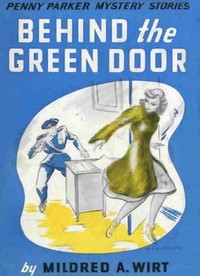
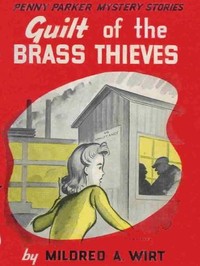
Penny Parker investigates the theft of a brass lantern trophy from a houseboat, uncovering clues tied to a factory badge and a prowler, in this 1945 juvenile mystery by Mildred A. Wirt.
Read the complete public-domain text at its original source.
Read on Project GutenbergThe story opens with Penny Parker and her father, a newspaper publisher, stranded on a dock after their host fails to meet them—a setup that immediately establishes the river as a central setting. The river is described with sensory detail: sailboats tack along the shore, a ferry churns water “to whip cream foam,” and the dock creaks underfoot. This opening scene, from chapter 1, introduces a pattern of waiting and unexpected movement that recurs throughout the narrative.
Later, the theft of a brass lantern from a houseboat drives the plot. The lantern is not just any object; it is a trophy for an upcoming race, and its disappearance triggers a chain of suspicion and investigation. The excerpts show how the story alternates between outdoor river scenes and interior spaces like the houseboat lounge, creating a rhythm of open water and confined discovery.
The River as a Stage for Movement
From the first chapter, the river is more than a backdrop—it is a dynamic space that shapes the characters’ actions. The ferryboat “churned the blue water to whip cream foam,” and sailboats “tacking gracefully” suggest constant motion. This setting contrasts with the static frustration of waiting on the dock. Later, the houseboat becomes a floating stage where the theft occurs, and the river itself is a route for escape or pursuit. The story’s structure relies on movement between land and water: characters arrive by boat, depart by boat, and the stolen trophy is likely transported via the river. This fluid geography keeps the narrative shifting between open vistas and enclosed cabins, mirroring the tension between visibility and concealment.
Objects That Carry Weight
Several physical items in the excerpts are loaded with meaning. The brass lantern is the most obvious: it is a trophy, a symbol of competition, and a target for theft. Its disappearance is announced by a “neatly severed chain,” a detail that emphasizes deliberate action. Then there is the factory badge found on the steps—a circular pin with a picture and number, which Penny pulls off during a struggle. This badge becomes a clue, linking the thief to the Gandiss factory. The story treats objects as evidence: the cut chain, the pin, the lantern itself. Each item is described with precision (e.g., “sharp metal scissors”), grounding the mystery in tangible details rather than abstract suspicion.
Shifting Alliances and Unspoken Tensions
The relationship between Sally, Penny, and Jack Gandiss is marked by unspoken rules and sudden reversals. When the lantern is stolen, Sally expects Jack to blame her—he had warned her not to display it. Instead, Jack offers a way to hide the loss: if one of them wins the race, the trophy’s absence need never be revealed. This moment shifts their dynamic from rivalry to collusion. The text notes that Sally “gazed at Jack with a new light in her eyes,” and he admits regret for past insults. The dialogue is terse and practical, avoiding melodrama. The structure of this scene—discovery, accusation, then unexpected cooperation—shows how the mystery forces characters to renegotiate trust.
Patterns of Observation and Inference
Penny’s method of investigation relies on careful observation and logical inference. She notices the severed chain, the badge on the step, and the fact that nothing else was taken. She reasons that the thief came aboard for money but took the lantern on impulse. This pattern of noticing small details—a pricked finger, a familiar face on a badge—drives the plot forward. The excerpts show her piecing together evidence without jumping to conclusions. The story’s structure mirrors this: each chapter (as seen in the table of contents) moves from one clue to the next, with titles like “Overheard in the Gatehouse” and “Basement Loot” signaling new locations and discoveries. The narrative rewards attentive reading, much like Penny’s own detective work.
Readers approaching Guilt of the Brass Thieves will find a mystery built on concrete clues and shifting settings. Pay attention to how objects—a lantern, a badge, a chain—are described and connected. The river is not just scenery; it is a route for movement and a hiding place. The story’s structure moves between open water and enclosed rooms, between waiting and action. These patterns, rather than dramatic twists, carry the investigation forward.
There’s something touching about how Penny’s little mystery unfolds with careful noticing—a badge, a shadow, a clue left behind. It reminds me of the unhurried wonder in The Adventures of a Country Boy at a Country Fair — Reading Notes, where a boy’s day turns on small observations too. Both feel like quiet afternoons, patiently kept.
There are no reviews for this eBook.
There are no comments for this eBook.
Reader reflection
Take a moment to reflect on this book
Create a short personal record of your experience with this book.
Your progress
0
/
10
2
How did the book work for you overall?
3
Is this a title you would suggest to others?
4
How easy was the book to follow?
5
Is this a title worth rereading?
6
How clear did the writing feel?
7
What did you appreciate most?
8
Would you like to discuss this book with someone?
9
What did this book teach you most?
10