1

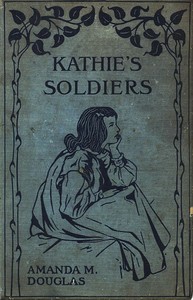
Kathie's Soldiers — A Closer Reading
(0 User reviews)
361
Project Gutenberg
2012
Not confirmed
Christian life -- Juvenile fiction; Conduct of life -- Juvenile fiction; Children -- Conduct of life -- Juvenile fiction; Family -- Juvenile fiction; Siblings -- Juvenile fiction; Uncles -- Juvenile fiction; Patriotism -- Juvenile fiction; United States -- History -- Civil War, 1861-1865 -- Juvenile fiction; Soldiers -- Juvenile fiction; War -- Juvenile fiction
Readers of public-domain and historical texts
Project Gutenberg digital edition
en
Edition facts
Words
54,589
Reading time
238 min
Text sections
8
For Kathie's Soldiers — A Closer Reading, the stored edition analysis reports 54,589 words, 3 hr 58 min estimated reading time, and 8 detected text sections.
The text analysis averages about 14.0 words per sentence, while the detected sections provide another way to judge how the source is divided.
Project Gutenberg metadata also associates the work with “Christian life -- Juvenile fiction,” connecting these edition facts with the source record’s subject description.
Source:
Project Gutenberg record #40525
In this Civil War-era juvenile novel, Kathie Alston navigates family duty, school social divides, and her own impulse to help others, as her uncle and brother enlist. The excerpts reveal tensions between patriotic fervor and quiet endurance, and between generosity and self-discipline.
Read the complete public-domain text at its original source.
Read on Project GutenbergThe opening chapter of Kathie's Soldiers introduces a sharp contrast between boyish enthusiasm for war and the sobering perspective of an older generation. Robert Alston cheers the prospect of a draft at Brookside, calling it “jolly,” while his uncle’s response—a “peculiar light in his eye”—hints at a deeper understanding of compulsion and sacrifice. This early exchange sets up a pattern of clashing viewpoints that runs through the excerpts: the thrill of enlistment versus the weight of duty, and the difference between choosing and being forced.
Enthusiasm and Its Limits
Robert’s initial excitement about the draft is undercut by his uncle’s quiet question: “So you think it rather funny to be forced to do what you would not choose of your free…” The sentence trails off, leaving the moral unfinished. Later, Kathie reflects on the effort required to rouse herself to “any work of choice or duty,” and she chides herself with the line “Rouse thee, little Kathie!” This internal struggle contrasts with the public cheer of the boys singing “John Brown’s Body.” The text suggests that patriotic fervor is only one layer of the wartime experience; beneath it lie anxiety, reluctance, and the daily labor of carrying on.
Social Distinctions at School
In Chapter IX, the narrative shifts to school life, where new student Isabel Hadden introduces class-based tensions. Isabel, whose father made a fortune as an army contractor, “prided herself upon her figure and style” and draws social lines among the girls. She criticizes dresses and accessories “for the edification of her youthful hearers,” prompting Emma Lauriston to call her “as good as a fashion-magazine.” Meanwhile, Lottie Thorne continues to rely on Kathie for academic help, leading Mrs. Wilder to warn Kathie that her generosity “is carried almost to a fault.” The school setting becomes a microcosm of broader social hierarchies and the challenge of balancing kindness with self-respect.
The Weight of Absence
Kathie’s experience of Uncle Robert’s absence is described as “the dreadful suspense,” yet she notes that “everything had gone on just the same, none of the duties were changed.” This tension between external normalcy and internal strain recurs throughout the excerpts. The narrative dwells on small, concrete details—the effort of writing a letter, the difficulty of concentrating—rather than dramatic events. The phrase “Which is not marching steadily onward” captures Kathie’s sense of faltering progress. The text implies that the home front, though removed from battle, imposes its own form of endurance, measured in days and small acts of will.
The excerpts from Kathie's Soldiers offer a view of the Civil War era filtered through domestic and schoolroom routines. Readers attentive to the interplay between public declarations and private hesitations will find a story that values quiet perseverance as much as patriotic display. The narrative rewards close attention to how characters speak about duty, help, and social standing—and to what they leave unsaid.
There’s something about Kathie’s quiet way of holding her worry—watching the men leave, keeping the household steady—that reminds me of how a pitcher learns to wait through a long season. That patient, almost lonely resolve shows up again in Baseball Joe in the Central League; or, Making Good as a Professional Pitcher — Story, Setting & Ideas, where making good isn’t about grand gestures, just showing up again tomorrow.
There are no reviews for this eBook.
There are no comments for this eBook.
Reader reflection
How will you remember this book?
Save your reaction, strongest insight, and memorable passage.
Your progress
0
/
10
2
How much did you enjoy the reading experience?
3
Is this a title you would suggest to others?
4
Did the language feel accessible?
5
Could you apply anything you learned?
6
Did the book deliver what you hoped for?
7
Did any part of the book feel personally relevant?
8
Did this book create an emotional response?
9
What did this book teach you most?
10